NCERT Sanskrit Book for Class 10 (Old NCERT)
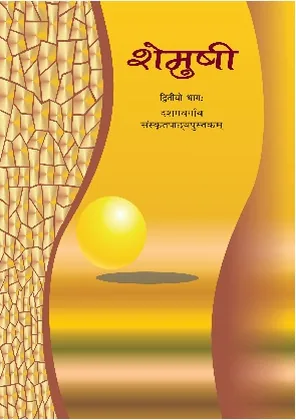
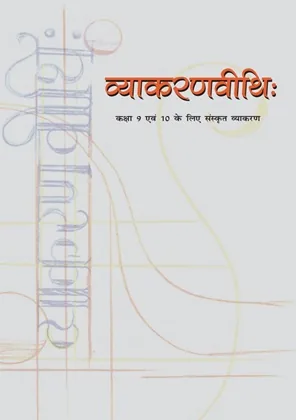
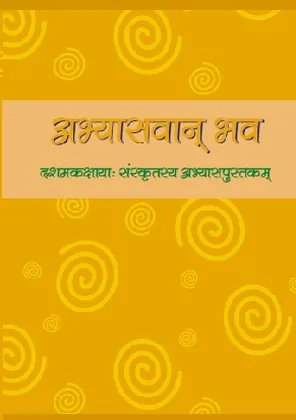
Textbook: Shemushi – Part 2 · Vyakaranavithi · Abhyaswaan Bhav – II
The old edition of the NCERT Sanskrit textbooks for Class 10 (Shemushi – Part 2 · Vyakaranavithi · Abhyaswaan Bhav – II), following the chapter list of the current NCERT reprint. All 36 chapters are listed below, each with its chapter PDF and solution PDF, followed by the complete book PDF.
- 36Chapters
- 3Books
- OldNCERT edition
Chapters
Chapter-wise list of this textbook. Each chapter page has its chapter PDF and solution PDF.
Book 1: Shemushi – Part 2
Book 2: Vyakaranavithi
Book 3: Abhyaswaan Bhav – II
Complete book PDF
The complete Old NCERT Sanskrit book for Class 10, in two editions. Each link opens a Google Drive folder with the complete book PDFs.
- Old (Rationalised) Coming soon
- Old (Not Rationalised) Coming soon
About NCERT Sanskrit for Class 10 (Old NCERT)
What Sanskrit covers
NCERT Sanskrit (संस्कृत) textbooks teach the language through stories, श्लोक, dialogues and plays drawn from classical texts such as the Panchatantra, Ramayana, Mahabharata and Subhashitas, along with grammar — शब्दरूप, धातुरूप, सन्धि and समास.
Why Class 10 matters
Class 10 is the CBSE board exam year, so the NCERT textbook is the primary reference for every question paper; every chapter and exercise matters for revision.
What's in this book (36 chapters)
Every chapter page has a short overview, the topics covered, and the chapter PDF and solution PDF side by side. The first chapters are:
- Ch 1 (Shemushi – Part 2). शुचिपर्यावरणम्
- Ch 2 (Shemushi – Part 2). बुद्धिर्बलवती सदा
- Ch 3 (Shemushi – Part 2). शिशुलालनम्
- Ch 4 (Shemushi – Part 2). जननी तुल्यवत्सला
- Ch 5 (Shemushi – Part 2). सुभाषितानि
- Ch 6 (Shemushi – Part 2). सौहार्दं प्रकृतेः शोभा
How to study Sanskrit
Read each पाठ aloud for correct pronunciation, learn शब्दार्थ and अनुवाद, and practise the grammar exercises regularly; short daily practice works better than long sessions.
कक्षा 10 संस्कृत की तैयारी
1तीन पुस्तकें, एक लक्ष्य
शेमुषी पाठों के लिए, व्याकरणवीथिः व्याकरण के लिए और अभ्यासवान् भव रचना और अभ्यास के लिए है। तीनों को साथ-साथ पढ़ें।
- शेमुषी के हर पाठ का शुद्ध उच्चारण के साथ पठन और हिंदी अर्थ समझें।
- सन्धि, समास, प्रत्यय और वाच्य के नियम व्याकरणवीथिः से याद करें।
- अभ्यासवान् भव से अपठित गद्यांश, पत्र-लेखन और चित्र-वर्णन का अभ्यास करें।
- शब्दरूप और धातुरूप की तालिकाएँ रोज़ दोहराएँ।
How to study NCERT Sanskrit
1A little every day goes a long way
Sanskrit rewards steady, daily practice more than almost any other subject. The textbooks — Deepakam in the middle classes, Sharada in Class 9, Ruchira, Shemushi, Bhaswati and Shashwati in the old editions — introduce grammar gradually through short stories, verses and conversations.
- Spend fifteen minutes a day reading a passage aloud and you will find the sounds and patterns of the language settling in much faster than with long weekend sessions.
- Read shlokas and verses aloud with correct pronunciation. Many of them are short enough to memorise, and knowing a few by heart gives you ready examples for grammar and translation questions.
2Grammar tables and translation
Shabd roop (noun forms) and dhatu roop (verb forms) are the backbone of Sanskrit grammar. Make neat tables for the most common ones — rama, lata, phala, path, gam — and revise them until you can write them out without looking.
- For translation questions, first identify the verb and its tense, then the subject, then everything else.
- Working through every exercise in the textbook, especially sandhi and samasa, will cover most of what exams ask.
Frequently asked questions
How many chapters are there in Class 10 Sanskrit (Old NCERT)?
NCERT Archive lists 36 chapters for the Old NCERT Sanskrit book for Class 10 (Shemushi – Part 2 · Vyakaranavithi · Abhyaswaan Bhav – II).
Where can I download the Class 10 Sanskrit Old NCERT PDF?
Each chapter page has a Download Chapter PDF button, and the complete book PDF is listed on this page.
Are solutions available for Class 10 Sanskrit (Old NCERT)?
Yes — for the old edition, every chapter page has a Download Solution PDF button right next to the chapter PDF.
Related resources
More about this book
About this textbook
The NCERT Sanskrit textbook for Class 10 is published here in its old ncert edition, as part of the secondary stage of the NCERT curriculum, which prepares students for board-level assessment with a syllabus written to match the board exam pattern closely.
- NCERT — the National Council of Educational Research and Training — writes and publishes this textbook as the standard reference for Sanskrit in CBSE and CBSE-affiliated schools across India, and it's what most school-level exams and homework for Class 10 are set against.
How this page is organised
The old NCERT Sanskrit book for Class 10 is listed chapter by chapter, and every chapter page has both the chapter PDF and a Download Solution PDF button side by side.
- The complete book is also linked on this page in two editions, Old (Rationalised) and Old (Not Rationalised), each as a Google Drive folder of PDFs; a link shows "Coming soon" until it is added.
New and old NCERT editions
Because NCERT periodically revises its textbooks, both a "New NCERT" and an "Old NCERT" edition can be in use at the same time in different schools.
- NCERT Archive keeps the two fully separate — this page covers only the old ncert edition of Sanskrit for Class 10.
- If you're looking for the new edition instead, it's linked from this page (where published) so you don't end up mixing chapters, exercise numbers or solutions between the two.
How to study with this book
Reading the chapter first and attempting its exercises independently, before checking the matching NCERT Solution, tends to build a stronger and more exam-ready understanding of Sanskrit than starting with the answers.
- Where NCERT has published an official PDF for this book, it's linked directly and marked "Official NCERT Source" so there's never any doubt about where it came from.