Class 7 · Sanskrit · New NCERT
Chapter 8: हितं मनोहारि च दुर्लभं वचः
In this chapter
"हितं मनोहारि च दुर्लभं वचः" (Hitam Manohari Cha Durlabham Vachah, "speech that is beneficial and pleasing is rare") is a lesson of about eleven pages whose title is a well-known saying about speaking in a way that is both truthful or useful and pleasant. Students learn the verse, understand its words and discuss how to speak kindly and honestly. It links with the English play on saying the right thing and builds both Sanskrit vocabulary and values of communication.
- Chapter
- 8 of 12
- Textbook
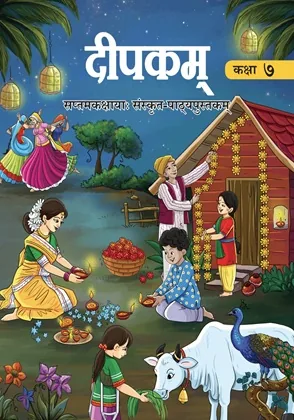
- Deepakam
- Class
- Class 7 · Sanskrit
- Edition
- New NCERT
- Topics
- 4
Topics covered
- हितकारी और मधुर वचन
- वाणी का महत्व
- सुभाषित
- व्यवहार
What this chapter teaches
The aim with "हितं मनोहारि च दुर्लभं वचः" is to enjoy Sanskrit and begin to use it, not to memorise grammar rules.
- Short daily practice is more effective than long occasional sessions.
- Reciting verses with correct rhythm, learning a few new words each day and using them in simple spoken sentences develop fluency, while the script is practised through neat, careful copying.
How to study this chapter
Families do not need to know Sanskrit to help with "हितं मनोहारि च दुर्लभं वचः".
- Ask your child to chant or read the lesson aloud, to teach you a few words and to say a sentence from it each day.
- Listening with interest and praising clear pronunciation is enough.
Where this chapter fits
This is chapter 8 of 12 in Deepakam, the Class 7 Sanskrit textbook, and begins on page 85 of the printed 2026-27 book.
- It follows "ईशावास्यम् इदं सर्वम्" and is followed by "अन्नाद् भवन्ति भूतानि".
- In English the title reads roughly: Speech that is beneficial and pleasing is rare.
Using this page
This overview is written from the 2026-27 textbook's Contents page, its preface and the chapter title, to help families and teachers prepare.
- Please read the chapter itself for exact content, activities and exercises.
- On this page you can download the Chapter 8 PDF and open the Chapter Solution page, which has the NCERT Archive solution PDF for this chapter.
- The "Topics covered" list on this page gives a quick checklist for revision: tick each one off once you can explain it in your own words, then attempt the chapter's questions before checking the solution.
- This chapter is part of Deepakam, the New NCERT Sanskrit textbook for Class 7.