NCERT Social Science Book for Class 10 (Old NCERT)
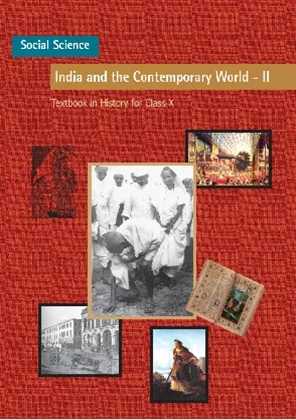
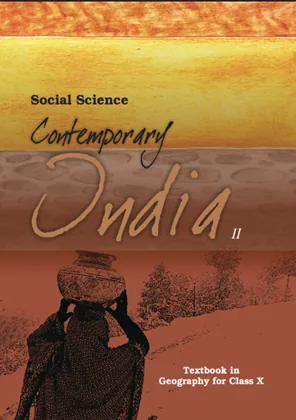
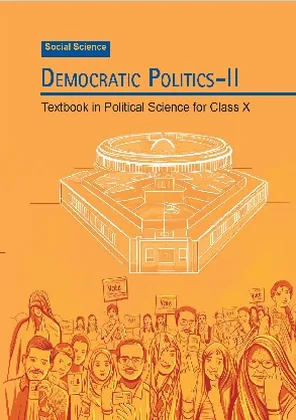
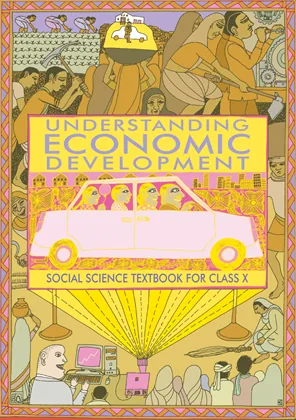
Textbook: India and the Contemporary World – II (History) · Contemporary India – II (Geography) · Democratic Politics – II (Political Science) · Understanding Economic Development (Economics)
The old edition of the NCERT Social Science textbooks for Class 10 (India and the Contemporary World – II (History) · Contemporary India – II (Geography) · Democratic Politics – II (Political Science) · Understanding Economic Development (Economics)), following the chapter list of the current NCERT reprint. All 22 chapters are listed below, each with its chapter PDF and solution PDF, followed by the complete book PDF.
- 22Chapters
- 4Books
- OldNCERT edition
Chapters
Chapter-wise list of this textbook. Each chapter page has its chapter PDF and solution PDF.
Book 1: India and the Contemporary World – II (History)
Book 2: Contemporary India – II (Geography)
Book 3: Democratic Politics – II (Political Science)
Book 4: Understanding Economic Development (Economics)
Complete book PDF
The complete Old NCERT Social Science book for Class 10, in two editions. Each link opens a Google Drive folder with the complete book PDFs.
- Old (Rationalised) Coming soon
- Old (Not Rationalised) Coming soon
About NCERT Social Science for Class 10 (Old NCERT)
What Social Science covers
NCERT Social Science brings together History, Geography, Political Science (Civics) and Economics, helping students understand India's past, its land and resources, how its democracy works and how the economy affects everyday life.
Why Class 10 matters
Class 10 is the CBSE board exam year, so the NCERT textbook is the primary reference for every question paper; every chapter and exercise matters for revision.
What's in this book (22 chapters)
Every chapter page has a short overview, the topics covered, and the chapter PDF and solution PDF side by side. The first chapters are:
- Ch 1 (India and the Contemporary World – II (History)). The Rise of Nationalism in Europe
- Ch 2 (India and the Contemporary World – II (History)). Nationalism in India
- Ch 3 (India and the Contemporary World – II (History)). The Making of a Global World
- Ch 4 (India and the Contemporary World – II (History)). The Age of Industrialisation
- Ch 5 (India and the Contemporary World – II (History)). Print Culture and the Modern World
- Ch 1 (Contemporary India – II (Geography)). Resources and Development
How to study Social Science
Study each part separately, learn key terms, dates and map locations, and practise both short answers and long explanatory answers.
Preparing Class 10 Social Science for the board exam
1Four books, one exam
Class 10 Social Science has History, Geography, Political Science and Economics, and each book carries real weight. Plan your revision so none of them is left for the last week.
- History: make a timeline for nationalism in Europe and India and learn the causes and effects of each major event.
- Geography: practise the map items every week — they are among the easiest marks in the paper.
- Political Science: learn the key concepts (power-sharing, federalism, political parties) with Indian examples.
- Economics: understand terms such as GDP, sectors, credit and globalisation and practise the data-based questions.
2Writing longer answers
Examiners look for clear points backed by examples from the textbook.
- Start with a one-line direct answer, then give points.
- Use headings or numbering for five-mark answers.
- Practise case-based and source-based questions from past papers.
How to study NCERT Social Science
1Stories, not lists
History, geography, political science and economics are easy to turn into long lists of dates, places and terms to memorise. That is also the quickest way to forget them.
- Every chapter in a Social Science book is really a story: why something happened, who it affected and what changed afterwards.
- When you read, keep asking three questions — what happened, why did it happen, and what was the result?
- If you can answer those in your own words, the dates and names attach themselves much more easily.
- The new books (Exploring Society: India and Beyond) mix the four disciplines in each theme.
- The old books keep them in separate textbooks — History, Geography, Political Science and Economics. Either way, the approach is the same.
2Maps and timelines
Geography without maps is guesswork. Keep a blank outline map of India and of the world, and mark every place, river, mountain range, crop or industry that a chapter mentions.
- For History, draw a single timeline across a sheet of paper for the year and add every event as you study it — seeing that two events happened only a few years apart often explains how they are connected.
- In board exams, map questions are among the most reliable marks you can earn, so practise them regularly.
3Writing better long answers
- Start with one sentence that answers the question directly.
- Give points in a logical order, each in its own short paragraph or bullet.
- Use the textbook's terms — they show the examiner you know the concept.
- Add an example, a fact or a figure from the chapter wherever you can.
- End with a one-line conclusion. Keep to the word limit.
Frequently asked questions
How many chapters are there in Class 10 Social Science (Old NCERT)?
NCERT Archive lists 22 chapters for the Old NCERT Social Science book for Class 10 (India and the Contemporary World – II (History) · Contemporary India – II (Geography) · Democratic Politics – II (Political Science) · Understanding Economic Development (Economics)).
Where can I download the Class 10 Social Science Old NCERT PDF?
Each chapter page has a Download Chapter PDF button, and the complete book PDF is listed on this page.
Are solutions available for Class 10 Social Science (Old NCERT)?
Yes — for the old edition, every chapter page has a Download Solution PDF button right next to the chapter PDF.
Related resources
More about this book
About this textbook
The NCERT Social Science textbook for Class 10 is published here in its old ncert edition, as part of the secondary stage of the NCERT curriculum, which prepares students for board-level assessment with a syllabus written to match the board exam pattern closely.
- NCERT — the National Council of Educational Research and Training — writes and publishes this textbook as the standard reference for Social Science in CBSE and CBSE-affiliated schools across India, and it's what most school-level exams and homework for Class 10 are set against.
How this page is organised
The old NCERT Social Science book for Class 10 is listed chapter by chapter, and every chapter page has both the chapter PDF and a Download Solution PDF button side by side.
- The complete book is also linked on this page in two editions, Old (Rationalised) and Old (Not Rationalised), each as a Google Drive folder of PDFs; a link shows "Coming soon" until it is added.
New and old NCERT editions
Because NCERT periodically revises its textbooks, both a "New NCERT" and an "Old NCERT" edition can be in use at the same time in different schools.
- NCERT Archive keeps the two fully separate — this page covers only the old ncert edition of Social Science for Class 10.
- If you're looking for the new edition instead, it's linked from this page (where published) so you don't end up mixing chapters, exercise numbers or solutions between the two.
How to study with this book
Reading the chapter first and attempting its exercises independently, before checking the matching NCERT Solution, tends to build a stronger and more exam-ready understanding of Social Science than starting with the answers.
- Where NCERT has published an official PDF for this book, it's linked directly and marked "Official NCERT Source" so there's never any doubt about where it came from.