NCERT Arts Book for Class 7 (New NCERT)
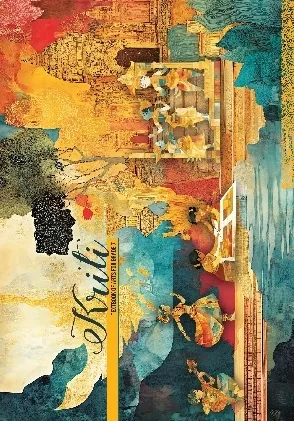
Textbook: Kriti
The NCERT Arts textbook (Kriti) for Class 7. All 20 chapters of the 2026-27 edition are listed below; full content, topic notes and downloadable PDFs are being added — check back soon.
- 20Chapters
- 22Languages
- NewNCERT edition
Available in 22 languages. English is the default — every chapter page has a download button for each language.
- English
- हिन्दीHindi
- অসমীয়াAssamese
- বাংলাBengali
- बड़ोBodo
- डोगरीDogri
- ગુજરાતીGujarati
- ಕನ್ನಡKannada
- كٲشُرKashmiri
- कोंकणीKonkani
- मैथिलीMaithili
- മലയാളംMalayalam
- মণিপুরীManipuri
- मराठीMarathi
- नेपालीNepali
- ଓଡ଼ିଆOdia
- ਪੰਜਾਬੀPunjabi
- संस्कृतम्Sanskrit
- ᱥᱟᱱᱛᱟᱲᱤSanthali
- سنڌيSindhi
- தமிழ்Tamil
- తెలుగుTelugu
Kriti for Grade 7 is the NCERT Arts textbook for Class 7. Its preface says it aims to deepen students' understanding of the diverse art forms of India and to broaden their perspective across Music, Dance, Theatre and Visual Arts, building on what they have explored since Grade 3.
About this book
- It points out that every artistic expression is born from an idea inspired by everyday life, nature, the work people do and emotions such as love, tolerance, empathy and conflict, and that art forms carry traditions passed down in communities.
- It mentions the nine fundamental human emotions, the Navarasas, as channels through which art conveys thought.
How to study this book
Families can help by supplying simple materials, showing interest in the child's work without comparison and attending local performances and exhibitions.
- The chapter list follows the Contents of the 2026-27 reprint; overviews describe themes from titles and the preface.
More about this book
The Contents page lists twenty chapters in four sections.
- Theatre has "Understanding Emotions", "Say More without Speech: Mime", "Let's Design: Stage Technicals 2" and "Story of India's Storytelling Tradition".
- Music has "Making Music", "Music, Emotions and Creativity", "Ragas and Talas/Taal", "The Music of the People" and "Performance".
- Dance and Movement has "Dance and Sculpture", "Dance Vocabulary and Techniques", "Dance, You and Creativity", "Personalities" and "Natya".
- Visual Arts has "Objects in Icons and Symbols", "Nature's Palette", "How You Feel", "Textiles and Traditions", "The Art of Calligraphy" and the closing chapter "Integration of All Art Forms: Sculptures Come Alive!".
- Each section opens with an introduction before its first chapter.
- The book connects traditions across regions, such as warli, madhubani and aipan in visual art, togalu gombeyaata and yakshagana in theatre, and the evolution of nritta, nritya and natya in dance, and invites students to practise as well as appreciate.
Chapters
- Ch. 1Understanding Emotions
- Ch. 2Say More without Speech: Mime
- Ch. 3Let's Design: Stage Technicals 2
- Ch. 4Story of India's Storytelling Tradition
- Ch. 5Making Music
- Ch. 6Music, Emotions and Creativity
- Ch. 7Ragas and Talas/Taal
- Ch. 8The Music of the People
- Ch. 9Performance
- Ch. 10Dance and Sculpture
- Ch. 11Dance Vocabulary and Techniques
- Ch. 12Dance, You and Creativity
- Ch. 13Personalities
- Ch. 14Natya
- Ch. 15Objects in Icons and Symbols
- Ch. 16Nature's Palette
- Ch. 17How You Feel
- Ch. 18Textiles and Traditions
- Ch. 19The Art of Calligraphy
- Ch. 20Integration of All Art Forms: Sculptures Come Alive!
About NCERT Arts for Class 7 (New NCERT)
What Arts covers
NCERT Arts covers visual arts, music, dance and theatre, encouraging students to create, perform and appreciate art from India's many traditions.
Why Class 7 matters
Class 7 deepens middle-stage concepts — rational numbers, equations and triangles in Mathematics, nutrition, heat and acids in Science, and medieval India in History.
What's in this book (20 chapters)
Every chapter page has an overview, the chapter PDF and, where published, a step-by-step NCERT Solution. The first chapters are:
- Ch 1. Understanding Emotions
- Ch 2. Say More without Speech: Mime
- Ch 3. Let's Design: Stage Technicals 2
- Ch 4. Story of India's Storytelling Tradition
- Ch 5. Making Music
- Ch 6. Music, Emotions and Creativity
How to study Arts
Try every activity, keep a sketchbook or practice log, and observe art in your surroundings.
Getting the most from NCERT Arts
1Arts is something you do
Bansuri in the preparatory classes, Kriti in the middle classes and Madhurima in Class 9 cover visual arts, music, dance and theatre. These books are not meant to be studied like a history book.
- Each chapter asks students to draw, sing, move, act, make and talk about what they have made.
- The learning happens in the doing — trying a folk painting style, learning a song, creating a short play with friends.
- The books also introduce India's huge variety of art traditions — regional painting styles, folk songs, classical and folk dances, puppetry and crafts.
- Reading about one tradition and then trying a small piece of it yourself is the best way to appreciate it.
- There is no single right answer in art, so encourage children to explain what they made and why.
2Making it part of everyday life
- Keep a sketchbook and draw something from daily life a few times a week.
- Listen to one piece of music from a different region of India every week.
- Visit local craftspeople, museums or performances when you can.
- Display children's work at home — it builds confidence and pride.
Frequently asked questions
How many chapters are there in Class 7 Arts (New NCERT)?
NCERT Archive lists 20 chapters for the New NCERT Arts book for Class 7 (Kriti).
Where can I download the Class 7 Arts New NCERT PDF?
Each chapter page has a Download Chapter PDF button, and the official NCERT site is linked from this page.
Are solutions available for Class 7 Arts (New NCERT)?
Yes — chapters with a published solution link to a step-by-step NCERT Solution page, and a solution PDF where one is available.
Related resources
More about this book
About this textbook
The NCERT Arts textbook for Class 7 is published here in its new ncert edition, as part of the middle stage of the NCERT curriculum, where subjects are taught in more depth and students start building the conceptual base that later classes rely on.
- NCERT — the National Council of Educational Research and Training — writes and publishes this textbook as the standard reference for Arts in CBSE and CBSE-affiliated schools across India, and it's what most school-level exams and homework for Class 7 are set against.
How this page is organised
This page is organised chapter by chapter, matching the structure of the printed textbook exactly, so a chapter number here always lines up with the same chapter number in the physical or PDF book.
- Each chapter links through to its full text and, where available, a step-by-step NCERT Solution written against the exercises in this specific edition.
New and old NCERT editions
Because NCERT periodically revises its textbooks, both a "New NCERT" and an "Old NCERT" edition can be in use at the same time in different schools.
- NCERT Archive keeps the two fully separate — this page covers only the new ncert edition of Arts for Class 7.
- If you're looking for the old edition instead, it's linked from this page (where published) so you don't end up mixing chapters, exercise numbers or solutions between the two.
How to study with this book
Reading the chapter first and attempting its exercises independently, before checking the matching NCERT Solution, tends to build a stronger and more exam-ready understanding of Arts than starting with the answers.
- Where NCERT has published an official PDF for this book, it's linked directly and marked "Official NCERT Source" so there's never any doubt about where it came from.